Locations:





Caregivers use targeted strategies to help patients move confidently and reduce the risk of injury
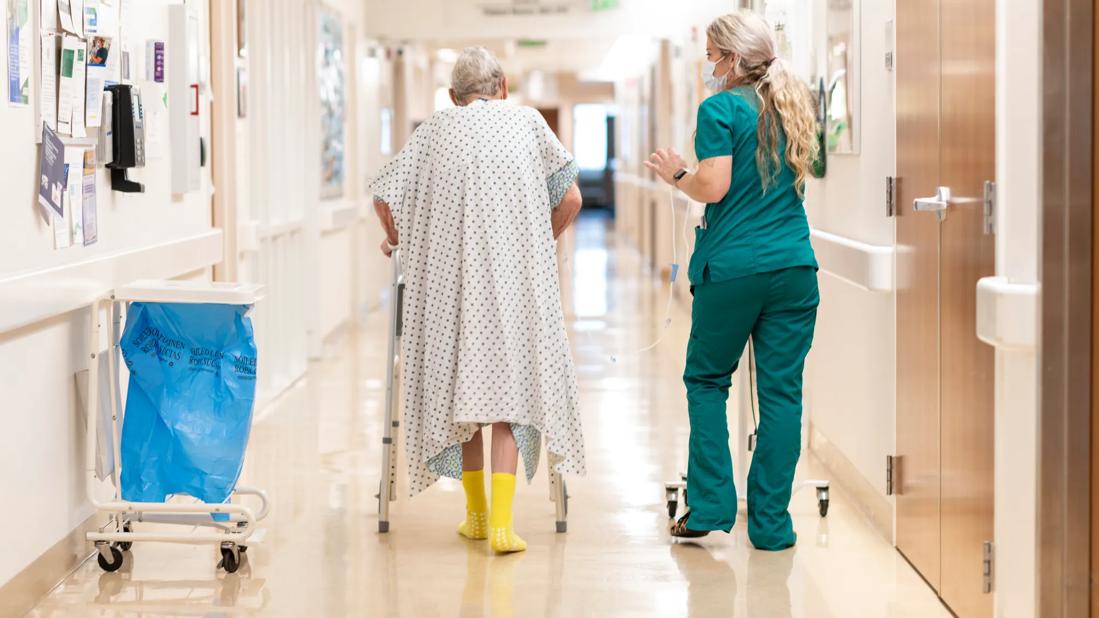
Image content: This image is available to view online.
View image online (https://assets.clevelandclinic.org/transform/1e18828c-4c78-4379-873a-f4dce4adc1cc/CCC_2122866_04-31-21_9655_DG-jpg)
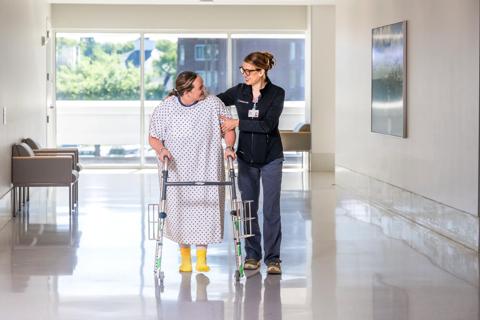
Nurse walking with patient
A single fall can change everything for an older adult — triggering injury, loss of independence and a cascade of health challenges. Recognizing that many of these incidents are preventable, Cleveland Clinic’s geriatric falls clinic is taking a proactive approach to identifying risk factors, addressing underlying causes and helping older patients stay safely on their feet.
Advertisement
Cleveland Clinic is a non-profit academic medical center. Advertising on our site helps support our mission. We do not endorse non-Cleveland Clinic products or services. Policy
“Falls are often the result of multiple, interconnected issues — and that’s where a specialized assessment makes all the difference,” says Anne Vanderbilt, MSN, RN, CNS, CNP, who runs the weekly clinic on Cleveland Clinic’s Main Campus. “By taking a comprehensive, patient-centered approach, we’re able to identify the root causes and intervene in ways that truly protect our patients’ safety, independence and quality of life.”
Vanderbilt’s first order of business during every clinic visit is to get an in-depth history of the patient’s falls. “I’m looking for patterns,” she explains. “Falls can rarely be blamed on one thing, so I ask questions designed to illuminate any contributing factors.”
Vanderbilt recalls a recent case in which an 87-year-old woman with dementia had presented to the emergency department several times for a succession of falls. With the help of the patient’s daughter, Vanderbilt was able to ascertain that her falls were triggered by a change in position – often related to getting out of bed or a chair.
“Every fall has a story,” she says. “Until we understand the why behind it, we’re only treating the outcome, not protecting the patient from the next one.”
Next, Vanderbilt reviews the patient’s medications, which may harbor hidden risks. She notes that drugs prescribed to reduce blood pressure, for example, can lead to falls – especially during positional shifts – by depriving the brain of oxygen-rich blood.(In 2014, the Eighth Joint National Committee released guidelines that relaxed blood pressure goals in adults 60 and older from 140/90 to 150/90.)
Advertisement
After taking a thorough medical history, Vanderbilt evaluates the patient’s physical and neurologic strength with three standardized tests recommended in the Center for Disease Control and Prevention (CDC) STEADI toolkit:
Based on her findings, Vanderbilt says she frequently recommends medication changes or modifications to the home environment.
In nearly every case, she advocates exercise. If balance is a primary issue, she suggests Tai Chi. Physical therapy is often prescribed for frailer patients. In many cases, Vanderbilt provides exercise guidance from the National Institute on Aging’s Go4Life program.
Most patients who visit the geriatric falls clinic are referred by their primary care physicians, orthopaedic specialists or the emergency department. While not all older adults require in-depth falls risk assessments, Vanderbilt encourages primary care nurses to remain vigilant when evaluating geriatric patients.
Advertisement
She urges clinicians to:
Advertisement
Advertisement
Specialized training prepares caregivers to address the unique physical and emotional needs of young patients
Using meticulous preparation and teamwork to manage critically ill patients in constantly changing environments

Translating clinical questions into meaningful, sustainable change
Guidance for creating a relevant framework that reflects organizational values, supports professional practice

Helping patients recognize respiratory changes, navigate treatment barriers and stay connected to their clinical team
Initiative provides hands-on opportunities to promote early, progressive activity
Continuing to grow by following the right path at the right time

Teaching caregivers to recognize warning signs, de-escalate difficult situations and maintain professional boundaries
 Search