Locations:





Survey identifies opportunities for further training and ongoing moral support
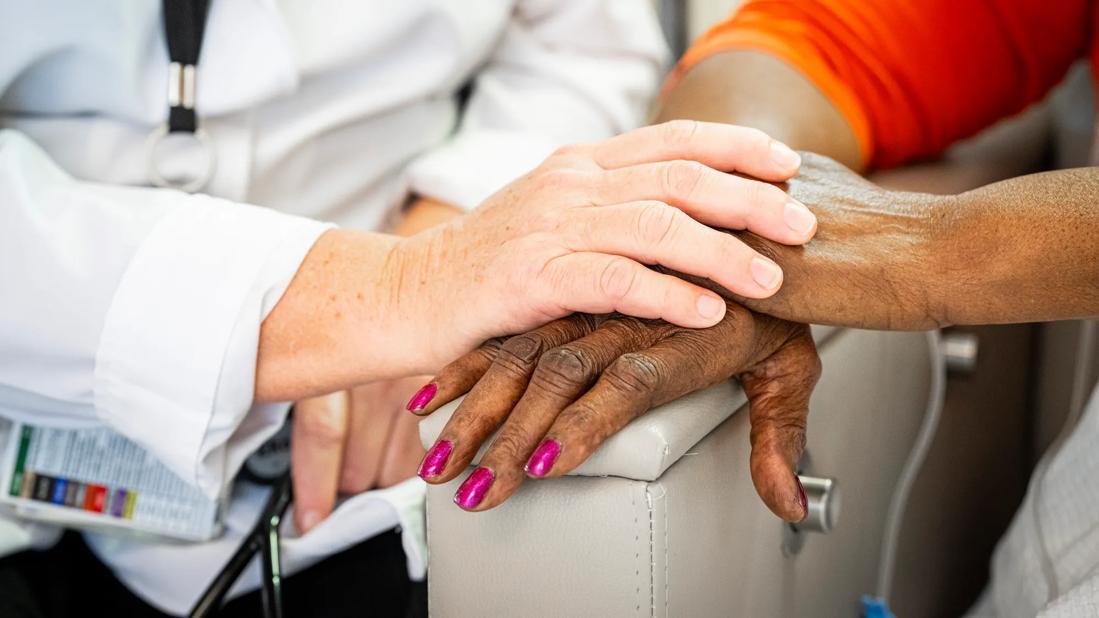
Image content: This image is available to view online.
View image online (https://assets.clevelandclinic.org/transform/086b51e4-0115-4c1f-b6dc-6603cd9956ef/URL_5473658_01-29-25_026_SCG)
Nurse speaks with patient
Nurses navigate ethical decisions every day, from helping patients understand the risks and benefits of treatments to supporting families through end-of-life care decisions. Despite the ubiquity of moral dilemmas in nursing practice, few caregivers receive ongoing ethics training — a need that is frequently deprioritized in favor of more immediate clinical needs.
Advertisement
Cleveland Clinic is a non-profit academic medical center. Advertising on our site helps support our mission. We do not endorse non-Cleveland Clinic products or services. Policy
Cleveland Clinic nurses sought to close gaps in ethics education by evaluating nurses’ experiences, perceptions and confidence related to ethical decision-making in clinical practice.
“Nurses are the professionals closest to patients and families. Nurses routinely face moral dilemmas in which their ethical knowledge and competence directly affect patient and clinical colleagues’ safety, trust and quality of care,” says Maggie Procunier, MSN, MHA/Ed, HEC-C, Nursing Quality and Professional Practice Program Manager at Cleveland Clinic Indian River Hospital in Vero Beach, Florida.
“Because nurses are the one constant at the bedside, it’s imperative that they understand how prepared they are to manage complex ethical issues.”
Procunier, who led the study with a nurse ethicist and nurse scientist, received answers to research questions from 102 Indian River nurses. Using the Clinical Ethics Needs Assessment Survey, a validated tool that features more than 100 questions, Procunier evaluated respondents’ awareness of ethics policies and resources and solicited information about their ethics-related experiences and educational priorities.
“We hoped a structured survey would reveal patterns, trends and areas of agreement or concern that might not otherwise emerge,” she says. “Going forward, we hope the results will help inform targeted educational programs and organizational strategies designed to support nurses in ethical practice.”
The cohort of respondents, which included advanced practice nurses, clinical nurses and those in clinical leadership roles, generally felt comfortable managing issues related to resource allocation, research ethics and prognostic uncertainty; however, they were less confident when faced with the rapidly evolving ethics of genetic testing and mental health treatment.
Advertisement
Importantly, Procunier says several key educational gaps were identified, including a general lack of awareness about the ethics support services that are already at the nurses’ disposal. More than half of those surveyed were unaware that their hospital had a Center for Bioethics, and many were unfamiliar with some of the hospital’s ethics policies and Florida statutes.
Although respondents showed interest in receiving more training on ethical conflict resolution, less than 50% of those surveyed believed that ethics education was “very important” to their ability to address moral distress or support patient care, Procunier adds.
“Pressing clinical tasks and heavy workloads may cause ethics to feel abstract or secondary for nurses who are focused on immediate patient demands,” Procunier explains. “As a result, some may not recognize how gaps in ethical knowledge can contribute to moral distress, inconsistent decision-making and missed opportunities to advocate effectively for patients.”
Notably, study participants with advanced training (e.g., nurse practitioners) were more likely to have a better understanding of ethics topics than their less-educated peers, and they also signaled increased confidence when faced with morally complex situations.
Procunier, who urges health systems to invest in ethics education, says that surveying nurses on their interests and concerns is a critical first step.
“When organization leaders understand the ethical challenges nurses face, they can provide appropriate resources that reduce moral distress and burnout,” she explains. “By capturing nurses’ voices and addressing their ethical education needs, healthcare leaders can improve staff retention and promote safer, more compassionate patient care.”
Advertisement
Advertisement
Using meticulous preparation and teamwork to manage critically ill patients in constantly changing environments

Translating clinical questions into meaningful, sustainable change

Guidance for creating a relevant framework that reflects organizational values, supports professional practice

Helping patients recognize respiratory changes, navigate treatment barriers and stay connected to their clinical team
Initiative provides hands-on opportunities to promote early, progressive activity

Continuing to grow by following the right path at the right time

Teaching caregivers to recognize warning signs, de-escalate difficult situations and maintain professional boundaries

Veteran caregivers offer practical wisdom for building confidence and practicing with purpose
 Search