Locations:





Preclinical study shows why it’s critical to consider sex in eye disease research
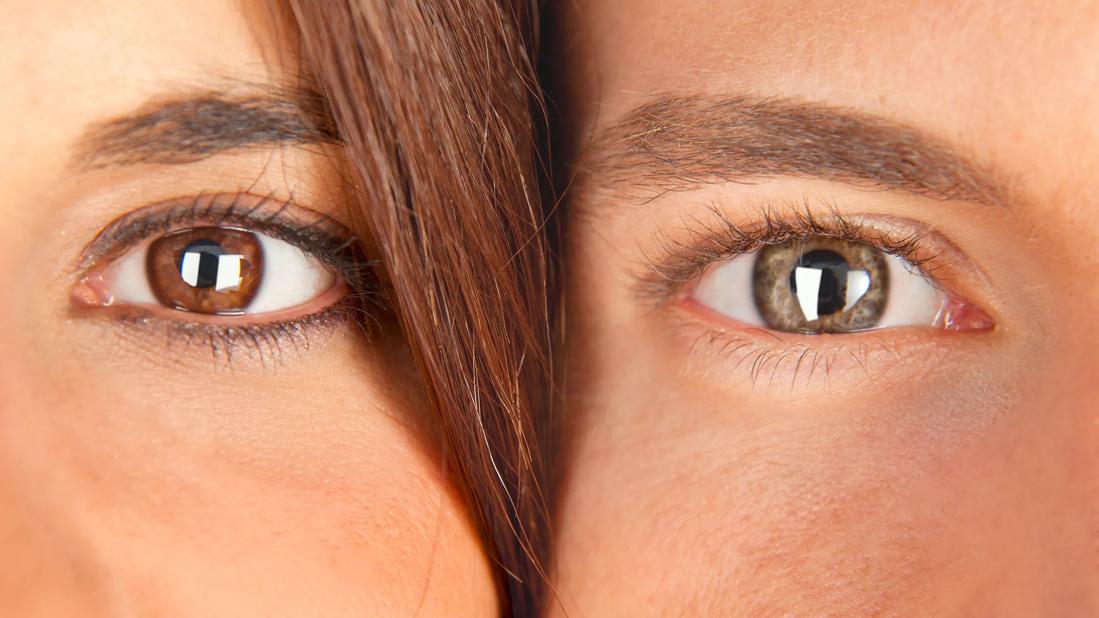
Image content: This image is available to view online.
View image online (https://assets.clevelandclinic.org/transform/63f142e6-8fdd-4170-988f-4c7bcccfd135/male-female-eye)
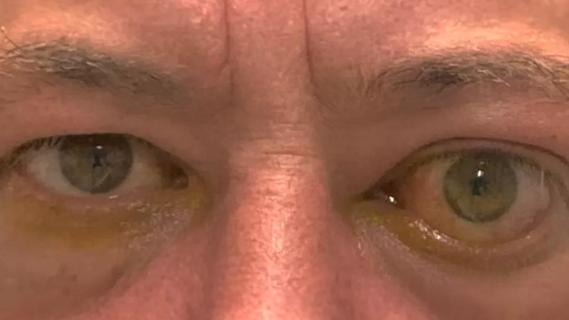
A woman's eye next to a man's eye
Researchers at Cleveland Clinic Cole Eye Institute have published a first-of-its-kind database of sex-based differences in the retina and retinal pigment epithelium (RPE).
Advertisement
Cleveland Clinic is a non-profit academic medical center. Advertising on our site helps support our mission. We do not endorse non-Cleveland Clinic products or services. Policy
The preclinical study, published in Biology of Sex Differences, illustrates why it is critical to consider sex in research around eye disease, says senior author Bela Anand-Apte, MBBS, PhD, MBA, Chair of Ophthalmic Research at the Cole Eye Institute.
Research on sex as a risk factor for age-related macular degeneration has been controversial, with a few studies showing higher prevalence in older women. In addition, preclinical studies consistently demonstrate that males are at higher risk of developing diabetes-related retinopathy when compared with females. The exact mechanisms behind these differences are unclear.
“It is commonly believed that if you manage your diabetes, you avoid diabetic retinopathy, but many people who have good control of their diabetes still get damage to their retina and RPE,” Dr. Anand-Apte says. “The fact that females seem to be more resistant to diabetic retinopathy was intriguing and inspired me to start at square one, before the disease even begins.”
Dr. Anand-Apte teamed up with Belinda Willard, PhD, Director of Cleveland Clinic's Proteomics and Metabolomics Core, to see if there were differences between sexes within the proteome, the entire set of proteins produced in the retina and RPE.
Most researchers will use qualitative proteomics to look for proteins that are either present or absent in one group. Drs. Anand-Apte and Willard performed quantitative proteomics, which can quantify differences in the number of proteins between samples.
“Dr. Willard’s team was essential in making this research happen — we couldn’t have done it anywhere else,” Dr. Anand-Apte says. “In fact, few researchers have this capability.”
Advertisement
The research team discovered that there are innate differences in the protein makeup of RPE and retinal cells between male and female preclinical models. There were 21 differentially expressed proteins in the retina, signaling differentially activated pathways, such as nucleotide excision repair, molecular transport, and cell death and survival. There were 58 differentially expressed proteins in the RPE, signaling differentially activated pathways, such as calcium signaling, actin cytoskeletal signaling, and cellular assembly and organization.
These data will help Dr. Anand-Apte and her team investigate their next question: Can we connect differences in how eye disease progresses to these baseline differences in proteins?
“These data are meant to be a tool for the research community to identify the reasons behind discrepancies in how eye disease progresses,” Dr. Anand-Apte says. “We’re beginning to gather the clues necessary for personalized treatment.”
Advertisement
Advertisement
Researchers to study retinal regeneration in zebrafish with new grant from National Eye Institute

New studies clarify how sensory loss and nystagmus shape real-world visual function
Quantitative B-scan findings may offer a noninvasive way to assess vascular inflammation
Learn the latest recommendations in diagnosis, treatment and surveillance
The drug does not provide lasting disease control for most patients
New service for patients with diabetes will make annual screening more convenient

Gonioscopy can help determine next steps in reducing IOP

Similarly, patients with noninfectious uveitis have a higher risk of being diagnosed with an autoimmune disease within five years
 Search