Locations:





3 specialists share multidisciplinary perspectives on a widely impactful cardiovascular condition
Podcast content: This podcast is available to listen to online.
Listen to podcast online (https://www.buzzsprout.com/2237537/18266716)
“It’s helpful to think of peripheral artery disease (PAD) as an enhancer of other cardiovascular conditions,” says Cleveland Clinic vascular surgeon Lee Kirksey, MD. “If you have a patient with structural heart disease and they have significant PAD and venous access issues, it increases the risk of a procedure you may need to do. If you have a patient with coronary disease and they have significant PAD, it likewise increases their risk. This underscores why it’s so important that providers be aware that PAD is really the end stage of all these cardiovascular conditions. We need this to inform our imaging and our medical management of our patients.”
Advertisement
Cleveland Clinic is a non-profit academic medical center. Advertising on our site helps support our mission. We do not endorse non-Cleveland Clinic products or services. Policy
Dr. Kirksey is a co-author of the 2024 guideline for management of lower-extremity PAD issued by the American College of Cardiology (ACC), the American Heart Association (AHA) and several other organizations. In a new episode of Cleveland Clinic’s Cardiac Consult podcast, Dr. Kirksey discusses the guideline and other developments in PAD management with two Cleveland Clinic colleagues who served as reviewers for the guideline: Aravinda Nanjundappa, MBBS, MD, an interventional cardiologist with a special interest in peripheral vascular disease, and vascular medicine specialist G. Jay Bishop, MD.
Together the three physicians share multidisciplinary perspectives on PAD, addressing such issues as:
Click the podcast player above to listen to the 22-minute episode now or read on for an edited excerpt. Check out more Cardiac Consult episodes at clevelandclinic.org/cardiacconsultpodcast or wherever you get your podcasts.
Lee Kirksey, MD: When we think about intermittent claudication, our treatment should be performance-based and directed by quality-of-life considerations. Recognizing we have to act with some timeliness in patients in whom chronic limb-threating ischemia is present, what is your approach to treating those patients?
Advertisement
Aravinda Nanjundappa, MBBS, MD: When claudication leads to limb-threatening ischemia, if we do not treat, there is a chance the limb symptoms will get worse. Patients may develop a wound or a sore, and if that doesn't heal, there's a chance they will need amputation. For that subset of patients, we’ve got to be aggressive in our medical care, as Dr. Bishop outlined, and get the three key specialties — vascular surgery, interventional cardiology and podiatry — closely involved. If there is a wound, infectious disease may need to be involved as well, because you need a robust blood supply for the wound to heal.
Sometimes there is enough blood supply that the wound will heal, and that can be assessed through testing pressures in the toes with the toe-brachial index, which can be more helpful than the ankle-brachial index for this purpose. More often, we may need an angiogram. In that case, we may need to consider having a surgical cut down to the femoral artery, or maybe having access at the foot, so-called pedal artery access. In those cases, vascular surgery and cardiology collaborate and work together to get the artery opened up.
We also have a robust offering of clinical trials in which we can enroll patients to take part in advanced research for femoral artery and below-knee interventions. This is where patients can get access to medical treatments that may not be available everywhere in the United States. Some of them are medicated balloons, some of them are advanced stents that eventually dissolve. Some of them may be a specialized balloon. This is one way a patient stands to benefit from the full range of options across different departments that’s facilitated by our patient-centered approach to PAD.
Advertisement
Advertisement
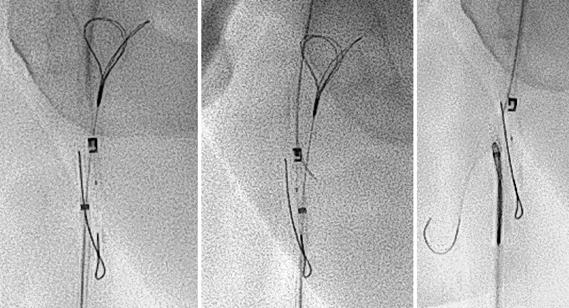
Early learnings on use of the minimally invasive alternative to surgical bypass
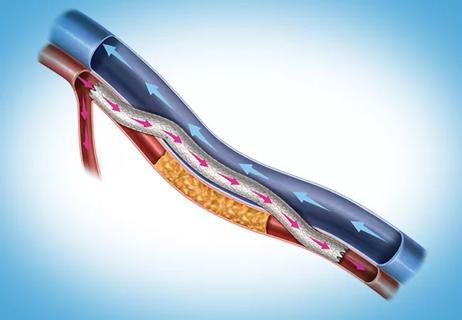
Larger data set confirms safety, efficacy and durability for SFA lesions over 20 cm
Benefits of new FDA safety determination go beyond expanding patients’ options

AHA statement details nuanced, evidence-based strategies
The benefits of multiarterial grafting are possible without opening the chest

Collaborative citywide initiative reshapes protocols to boost cardiac arrest survival
For severe cases, complete unroofing of the bridge is imperative
Lower threshold expanded revascularization candidacy without raising early complication rates
 Search