Locations:





How evolving medical therapies and more precise patient selection are reshaping the role of intestinal transplantation
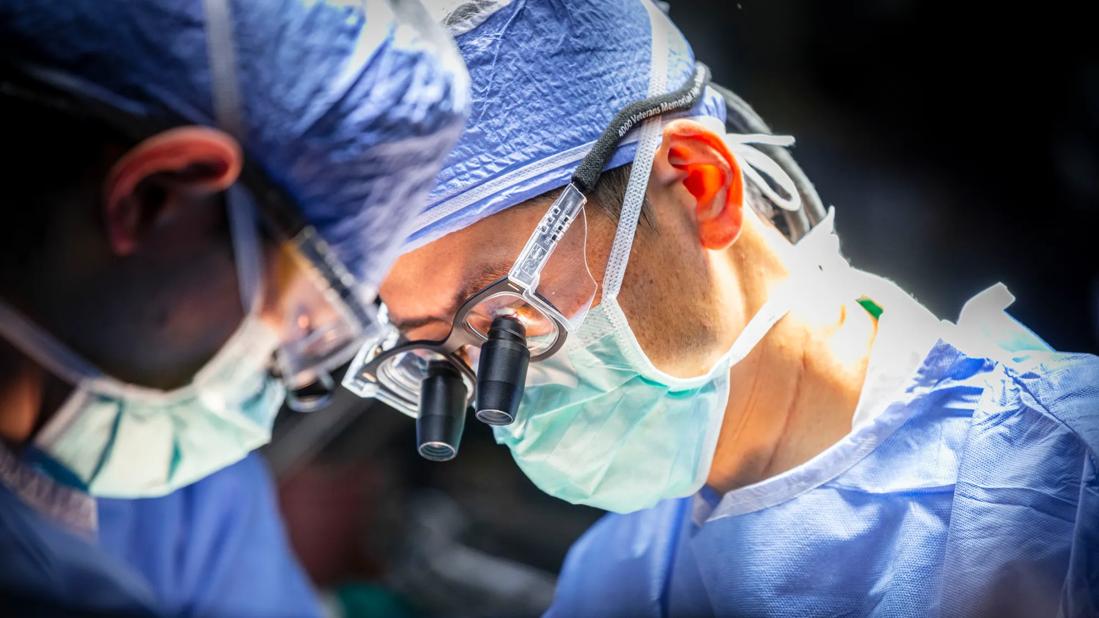
Image content: This image is available to view online.
View image online (https://assets.clevelandclinic.org/transform/b047423b-229e-4842-913e-792d572fe008/CCC_2737608_01-14-22_245_SG-jpg)
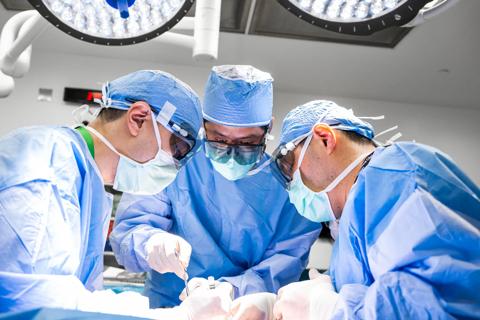
Dr. Fujiki in the operating room
A comprehensive review on where intestinal and multivisceral transplantation stands today reports it has evolved from an experimental procedure to an established definitive therapy, with these surgeries being available now for over 30 years.
Advertisement
Cleveland Clinic is a non-profit academic medical center. Advertising on our site helps support our mission. We do not endorse non-Cleveland Clinic products or services. Policy
Currently, there are 10 active pediatric intestinal transplant centers in the United States that perform bowel and multivisceral transplants, according to Kadakkal Radhakrishnan, MD, a pediatric gastroenterologist and hepatologist at Cleveland Clinic, and one of the review’s authors.
The approach to managing short bowel syndrome has undergone significant transformation in recent years. The primary goal now is achieving enteral independence—getting patients off total parenteral nutrition (TPN). A breakthrough medication called teduglutide (Gattex), a glucagon-like polypeptide-2 agonist, “has been shown to improve the function of the bowel lining, and some patients have been able to come off TPN and therefore have not needed a bowel transplant,” says Dr. Radhakrishnan.
Medical advancements has led to a notable decrease in pediatric bowel transplants nationally, with only 30-40 procedures performed annually. “That number used to be much higher in the 1990s,” Dr. Radhakrishnan says.
However, he says the pendulum may be swinging back slowly as experts recognize that some patients who achieve enteral independence may still have poor quality of life and could benefit from transplantation. Additionally, Dr. Radhakrishnan notes that when patients remain on TPN for extended periods, some patients may develop TPN-associated liver disease, which can progress to portal hypertension and liver scarring. In these complex cases, it becomes necessary to consider combined liver-intestine transplantation.
Advertisement
Several conditions necessitate intestinal transplantation, including necrotizing enterocolitis, gastroschisis, and volvulus. Genetic disorders present another category, including microvillus inclusion disease and Hirschsprung's disease that affects the entire bowel.
Apart from these conditions, specific criteria for transplant consideration include:
Bowel transplant patients face unique challenges compared to other organ recipients. They require more intensive immunosuppression, experience longer hospital stays, and have higher rejection risks. Rejection can be catastrophic, sometimes requiring complete graft removal and re-listing for transplantation. “We don’t want to transplant unless we have to,” says Dr. Radhakrishnan. “We are thoughtful about who we subject to transplant.”
Advanced immunosuppressive protocols now incorporate medications traditionally used for inflammatory bowel disease, including vedolizumab (Entyvio) and infliximab (Remicade), alongside conventional agents such as high-dose steroids and antithymoglobin or alemtuzumab (Campath). Early implementation of anti-B-cell therapy post-transplantation has shown promise in improving outcomes as well, according to Dr. Radhakrishnan.
Post-transplant management is complex and multidisciplinary. Many patients undergo regular endoscopic surveillance through temporary stomas to monitor for rejection, and multiple patients continue IV nutrition initially while the transplanted bowel adapts. Tacrolimus (Prograf) remains the cornerstone of long-term maintenance therapy, but Dr. Radhakrishnan says monitoring extends beyond immunosuppression to include patients’ micronutrients, electrolytes, and drug levels, as well as vigilant infection surveillance.
Advertisement
Often, patients face additional challenges, particularly feeding difficulties. “Some of these children, because they may have never eaten by mouth, may have a lot of feeding issues,” Dr. Radhakrishnan says. This necessitates feeding tubes and specialized therapies to encourage oral intake.
Outcomes have improved substantially over time. According to Dr. Radhakrishnan, many centers now report success rates in the 80% to 85% range, with growing numbers of patients achieving nutritional independence and improved quality of life. “We are hoping we can eventually push it to the 90%+ range,” he says.
Patient success requires extensive multidisciplinary collaboration involving social workers, psychologists, dietitians, pharmacists, and various subspecialists such as nephrologists for kidney complications, psychologists and psychiatrists for mental health support. Some children have learning disabilities, ADHD, or developmental delays that require comprehensive support involving individualized education programs.
“Many of these kids live independent lives, but it's a long-term relationship, so we follow these patients. We know them well. We know the families well,” says Dr. Radhakrishnan.
The emotional toll on families and providers cannot be understated. “These patients are challenging from a family perspective. Families go through a lot of adjustments, and it can be very stressful for them,” Dr. Radhakrishnan notes. He acknowledges that “it's also equally stressful for us as providers. We don't talk about it, but it is.”
Advertisement
Intestinal and multivisceral transplantation represents an effective treatment option for complex gut failure. While medical management with agents like Gattex has reduced transplant numbers, these procedures remain essential for specific patient populations.
Dr. Radhakrishnan says emerging therapies on the horizon include stem cell therapy and potential bowel tissue engineering, though these remain in early developmental stages. Continued advances in immunosuppression and patient management strategies will aid further improvements in outcomes, offering hope for children with otherwise fatal conditions.
Advertisement
Advertisement
Specialized care for a neonate with a rare condition
Study demonstrates superior visualization of occult primary lesions

Navigating a complex case during a national copper shortage
Transplant centers vary substantially in how they assess, document and follow patients after allogeneic transplantation
Pre-operative SMA balloon occlusion helped reduce intraoperative blood loss in a high-risk procedure
Insights on ex vivo lung perfusion, dual-organ transplant, cardiac comorbidities and more
Milestone minimally invasive surgeries reduce pain and recovery time
Veteran nurse blends compassion, cutting-edge transplant training and military tradition to elevate patient care
 Search