Locations:


Bench-to-bedside study identifies mechanism and potential therapeutic target
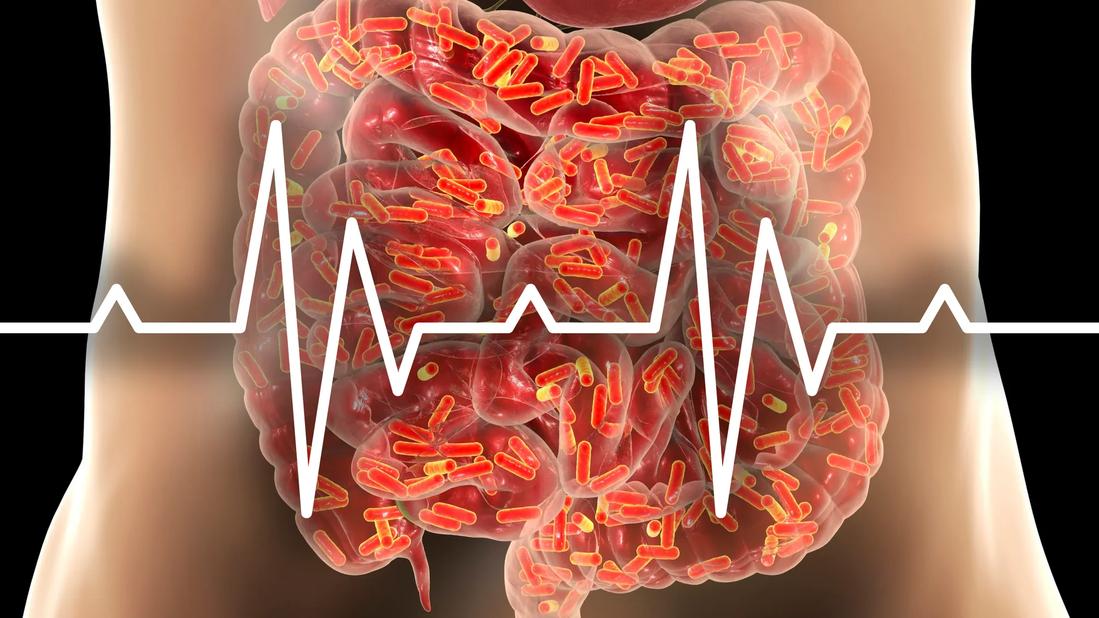
Image content: This image is available to view online.
View image online (https://assets.clevelandclinic.org/transform/99dd8fb7-47df-477f-80bc-00c0756edac6/arrhythmia-gut-microbe)
illustrated human gut with microbes and an overlay of a rhythm tracing
Numerous preclinical and clinical studies over the past 15 years have mechanistically linked the gut microbiome to the pathogenesis of a host of cardiovascular diseases via the trimethylamine N-oxide (TMAO) metabolic pathway. New Cleveland Clinic research is now expanding these findings by implicating TMAO in the pathogenesis of an additional condition — atrial fibrillation (AF).
Advertisement
Cleveland Clinic is a non-profit academic medical center. Advertising on our site helps support our mission. We do not endorse non-Cleveland Clinic products or services. Policy
The research, published in the Journal of Clinical Investigation (2026 Epub 24 July), consists of human and murine studies demonstrating that elevated circulating levels of TMAO actively promote arrhythmogenic remodeling. The work specifically showed that TMAO encourages AF through autonomic dysfunction, primarily by inhibiting muscarinic receptor signaling. The findings suggest that the gut-heart axis may represent a novel therapeutic frontier for AF prevention and management.
“Our study is the first that puts the connection between TMAO and AF together using a bench-to-bedside approach, and we fulfilled our goal to establish a clear, probable mechanism,” says senior author Robert Koeth, MD, PhD, who directs a Cleveland Clinic Research lab and serves as a staff cardiologist in Cleveland Clinic’s Section of Cardiac Electrophysiology. “Further study will help refine an effective therapeutic approach, but our results from this electrophysiology testing add important insight about a too-common cardiac condition.”
“This study adds a critical new dimension to how we evaluate AF risk,” says co-author Stanley Hazen, MD, PhD, who directs a Cleveland Clinic Research lab and serves as Co-Section Head of Preventive Cardiology. “We have long known that traditional risk factors like hypertension and obesity don't explain the full picture of AF burden; now we have clear evidence that the gut-heart axis, specifically elevated TMAO, actively drives arrhythmogenic remodeling. Because TMAO is a modifiable pathway, it opens up a novel preventative paradigm for our patients.”
Advertisement
TMAO is a metabolite generated when gut bacteria process nutrients such as choline and L-carnitine. It has already been linked to atherosclerosis, thrombosis, aortic aneurysm development and heart failure in studies by Dr. Hazen’s lab and other groups. Given the shared inflammatory and fibrotic pathways between these conditions and AF, Drs. Koeth and Hazen and their colleagues sought to determine whether TMAO directly influences atrial rhythm stability as well.
The investigation employed a multiplatform approach to establish causality. First, the team quantified plasma levels of TMAO and its precursors in samples from 5,090 stable patients undergoing elective cardiac catheterizations at Cleveland Clinic.
To move beyond association, the researchers also conducted studies in two distinct murine models:
Additionally, the team tested a potential therapeutic intervention in the murine model of spontaneous AF using iodomethylcholine, a small molecule largely confined to the gastrointestinal tract that inhibits microbial choline TMA lyase, thereby preventing the initial step of TMAO production in the gut. Mechanistic studies in the same model included optical action potential mapping and cell-based assays focusing on the M2 muscarinic receptor.
The findings revealed at least three compelling links between gut metabolism of TMAO and atrial stability:
Advertisement
1. Independent clinical association. In the human cohort, plasma TMAO levels were independently associated with prevalent AF, even after adjusting for age, sex, diabetes, cardiovascular disease, body mass index, renal function and other potentially confounding factors. After adjustment for these variables, individuals in the highest tertile of TMAO concentration had 1.7-fold increased odds of prevalent AF compared with those in the lowest tertile (odds ratio = 1.7; 95% CI, 1.3 to 2.1; P < .01).
2. Acceleration of AF onset and progression. In the murine model of spontaneous AF, dietary supplementation with either choline or TMAO significantly accelerated the onset of the first paroxysmal AF episode and the progression to persistent AF. At the same time, treatment with iodomethylcholine suppressed TMAO production and markedly delayed development of the arrhythmia. Validation in wild-type mice showed that TMAO supplementation resulted in an 11-fold increase in AF inducibility during pacing trials.
3. Electrophysiological and structural remodeling. Optical mapping in the spontaneous AF model revealed that high-choline diets led to shortened action potential duration and a decreased cardiac wavelength. These changes create a substrate highly susceptible to reentrant excitation. Additionally, echocardiography showed that choline-supplemented mice developed significant left atrial dilation, a structural change that was largely prevented by inhibiting TMAO production with iodomethylcholine.
Advertisement
One of the study’s most notable contributions is its identification of muscarinic receptor 2 inhibition as the likely bridge between TMAO and AF. TMAO is structurally similar to acetylcholine and was found to act as a powerful inhibitor of M2 muscarinic receptor signaling.
By blocking these receptors, TMAO appears to shift the autonomic balance toward increased sympathetic tone. This shift was reflected by elevated heart rates in unanesthetized mice receiving choline-supplemented diets.
In their study report, the Cleveland Clinic investigators note that their results provide several insights that may ultimately impact clinical management of AF:
Advertisement
The researchers conclude that their work establishes gut microbial TMAO production as a distinct and targetable contributor to AF risk.
“The mechanism uncovered here — where TMAO promotes autonomic dysfunction by inhibiting muscarinic receptor signaling — shifts our understanding of AF pathogenesis,” Dr. Hazen notes. “As clinicians, this means we must start looking closer at metabolic and microbial health as viable targets for mitigating arrhythmia risk alongside standard rate and rhythm control strategies.”
“As we move toward more personalized cardiovascular care, gut microbial TMAO appears to be an important component of comprehensive AF management that demands further investigation,” Dr. Koeth concludes.
Advertisement
Elevated levels of the gut microbial metabolite predict prevalence and adverse outcomes in community-based study
AVANT GUARD trial extends first-line role for ablation beyond paroxysmal atrial fibrillation
Scenarios where experience-based management nuance can matter most
Application to flutter found safe and effective in study of 300+ patients
LAA closure may be compelling option in atrial fibrillation ablation patients at high risk of both stroke and bleeding
UK experts compare and contrast the latest recommendations

New analyses confirm preservation of ablation outcomes, broaden data on bleeding benefits
Findings confirm microbial variability, offer new potential treatment strategy
 Search