Locations:





Best practices in a changing landscape

Image content: This image is available to view online.
View image online (https://assets.clevelandclinic.org/transform/5f4e1554-795f-4e45-bf5b-ca709e7af4f1/elderly-vaccination-2249344624)
Hands putting a bandage over a vaccinated arm
By Cassandra Calabrese, DO
The vaccine policy environment in the United States changed substantially in 2026, creating uncertainty for clinicians who care for immunocompromised patients. Federal recommendations for several vaccines were revised, some long-standing routine recommendations were shifted toward shared clinical decision-making, and portions of these changes were subsequently challenged in court.
Advertisement
Cleveland Clinic is a non-profit academic medical center. Advertising on our site helps support our mission. We do not endorse non-Cleveland Clinic products or services. Policy
This evolving landscape is particularly important for rheumatologists because patients with immunemediated inflammatory diseases (IMIDs) remain at increased risk for vaccine-preventable infections due to immune dysregulation, comorbidities and immunosuppressive therapies.
While policy frameworks may shift, the underlying principles of preventive care in rheumatology remain stable: Immunocompromised patients generally derive greater absolute benefit from vaccination, and delays or missed opportunities can lead to preventable morbidity.
In times of changing national recommendations, rheumatology practitioners should continue to emphasize individualized, evidence-based vaccination strategies anchored in patient risk. We know very well our IMIDs population is heterogeneous in terms of infection risk. Patients receiving JAK inhibitors (and
anifrolumab), for example, should be prioritized for recombinant zoster vaccine regardless of age. For rituximab-treated patients, risk counseling for COVID-19 and careful timing of the COVID-19 vaccine around infusions is crucial.
Regardless of shifting population-level recommendations, all IMIDs patients should receive a seasonal infl uenza vaccine yearly unless they have an allergy to a vaccine component. All patients receiving or contemplating immunosuppression should receive a pneumococcal vaccine, preferably a conjugate vaccine (PCV20 or PCV21). RSV vaccination is recommended for all adults 75 and older but should be discussed with younger patients who have risk factors that predispose them to severe infection (chronic lung disease, chronic
kidney disease).
Advertisement
Patients may hear conflicting messages in media or online. It is important to listen to our patients and understand their concerns and questions while making
recommendations based on infection risk. Shared decision-making should not mean therapeutic neutrality.
Hearing recommendations with explanations from a clinician has been shown to be one of the most impactful ways to address vaccine hesitancy. The American College of Rheumatology vaccine guideline1 remains an excellent resource for best practices.
In 2026, vaccine policy may be fluid, but immunology is not. Patients with IMIDs remain vulnerable to preventable infection. Continue to use risk-stratified, evidence-based vaccination practices, prioritize pre-immunosuppression vaccination when possible, and advocate strongly for protection in immunocompromised patients.
Thimerosal, a preservative used in vaccines and other products since the 1930s, has been a topic of debate for decades, stemming from false claims that its use in vaccines is associated with neurodevelopmental disorders in children, despite extensive evidence demonstrating its safety. Globally, thimerosal is necessary to maintain vaccine stability and reduce costs.
In 2025, the Advisory Committee on Immunization Practices recommended against the use of thimerosal-containing vaccines, removing the option for a multidose flu shot. This was an unprecedented move, as there are no data demonstrating any safety signals with thimerosal.
1. Bass et al. (2023). 2022 American College of Rheumatology Guideline for Vaccinations in Patients With Rheumatic and Musculoskeletal Diseases. Arthritis Rheumatol, 75: 333-348.
Advertisement
Advertisement
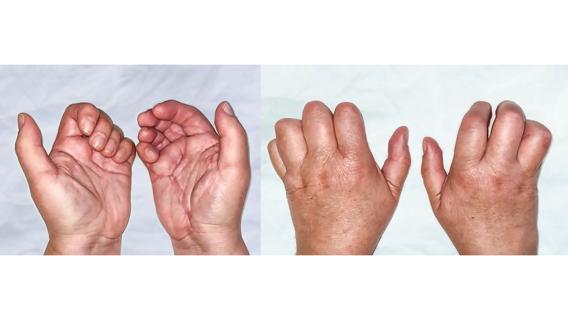
Patient had tenolysis and fasciectomy but sympoms recurred
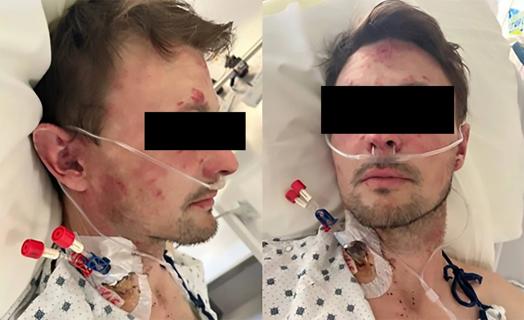
Case: Presentation includes joint pain and neurological symptoms

Evidence suggests empathy influences immune function and well-being

Going beyond simple referrals to streamline patient access

Tracing our understanding of this complex systemover more than a century

Drug-free remission holds more than a year after treatment

Cleveland Clinic group works toward earlier diagnosis of this rare disease
Researching the biological basis for why treatment is or is not effective
 Search