Locations:


Cleveland Clinic’s new 1-million-square-foot Neurological Institute building opens to patients in January 2027 as one of the largest, most technologically advanced facilities dedicated to neurological care in the world. The building is designed and equipped to empower our caregivers to deliver the finest possible neurological care today while shaping and discovering the care and cures of tomorrow. The content below shares some key ways in which we’ll do so.
Video content: This video is available to watch online.
View video online (https://cdnapisec.kaltura.com/p/2207941/sp/220794100/playManifest/entryId/1_8fk4h6y8/flavorId/1_5f3sgelj/format/url/protocol/https/a.mp4)
Advertisement
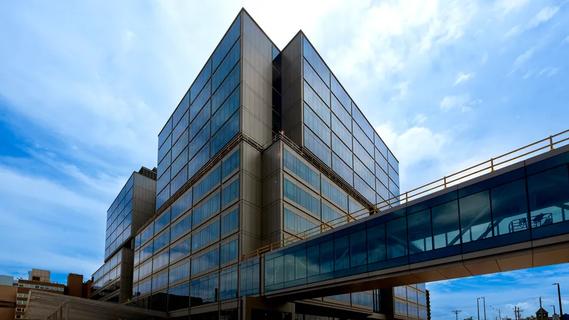
Designed for digitization, distance health, discovery and more

Advanced connectivity and technologies build on a foundation of teleneurology leadership
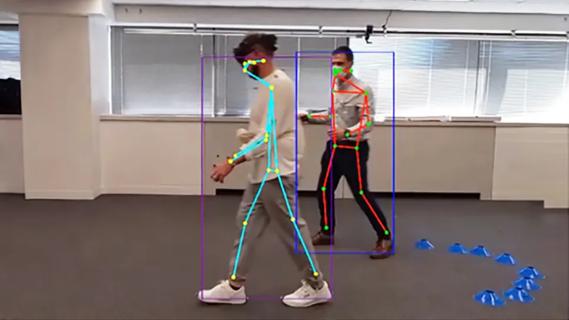
Novel ‘assessment center’ will be a partner in care by serving as an engine of structured data collection

Collaboration with AI startup promises to reshape neurocritical care monitoring at scale

How ongoing efforts will be bolstered by Cleveland Clinic’s new Neurological Institute building

Reimagining the outpatient neurological visit with routine capture of neuroperformance data
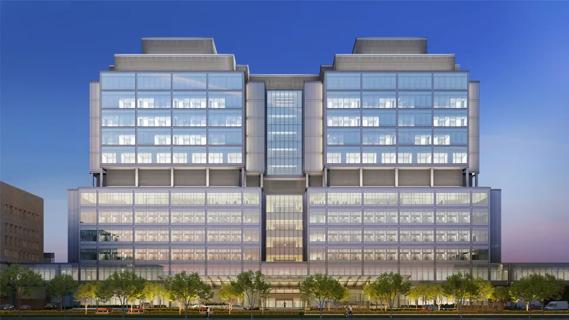
Advanced surgical suite in our soon-to-open facility promises to redefine care standards
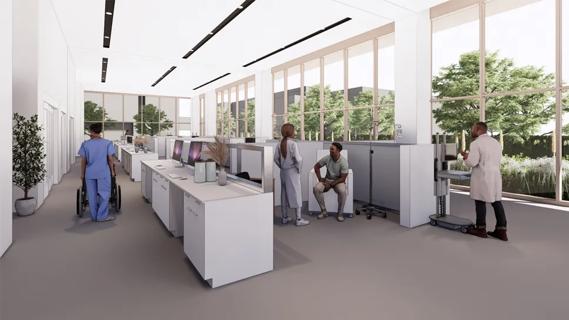
Combining customized care, research capabilities and flexibility for the future
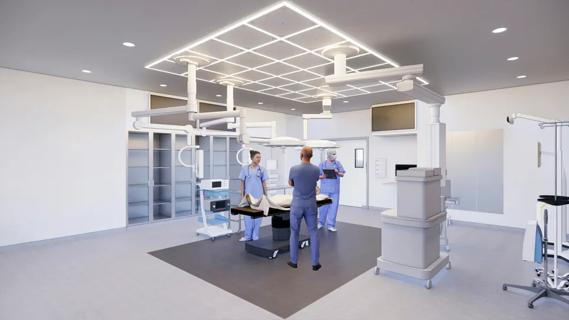
Expanded bevy of dedicated ORs will feature customized designs, leading-edge technology, optimized workflows
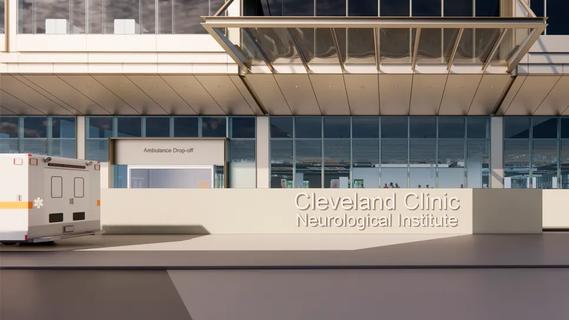
A rare opportunity to design for speed, care coordination, recovery and continuous monitoring

Where the field is moving and what Cleveland Clinic has in the works
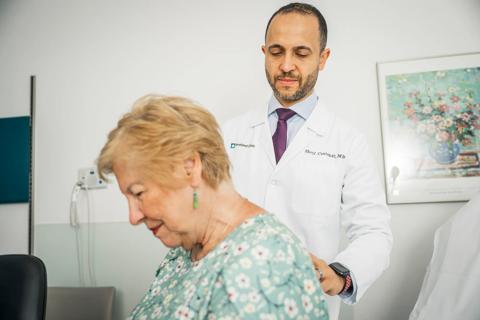
Building designed to support more comprehensive care for complex patients
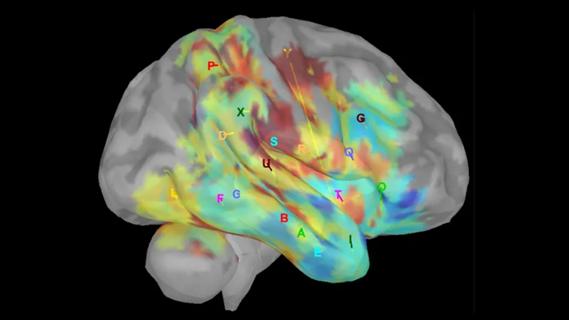
Today’s research helps illuminate tomorrow’s needs

Therapists and physicians collaborate to get medically stable patients moving

Advanced technologies are changing expectations about what’s possible
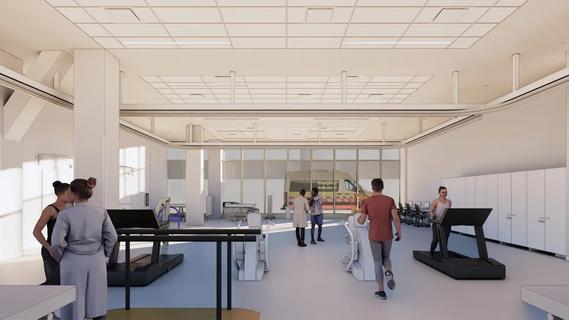
Physical, occupational and speech therapists will provide state-of-the-art outpatient care
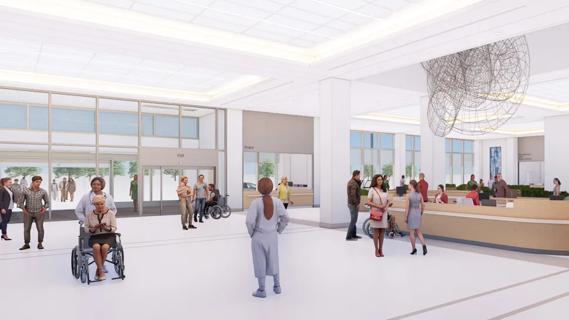
Input from these central stakeholders is leading us to design for healing and hope

Reducing symptoms through multidisciplinary care and thoughtful environmental design

Strengthening patient care through thoughtfully created spaces

Integrating behavioral health expertise into the management of complex neurological disorders

Routine capture of standardized neuroperformance data may expand and refine investigations
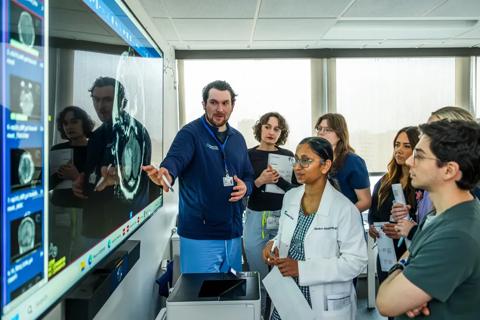
Housing multidisciplinary clinicians in one leading-edge facility can transform GME along with patient care
Advertisement
Advertisement
 Search