Locations:





Access case studies in CAR T-cell therapy, aggressive lymphoma, misdiagnosed cancer and more

Phase 2 study brings pivotal advances in treatment efficacy and safety for the most challenging-to-treat population
Advertisement
Early results show patients experiencing deep and complete response

Combination therapy doubles the number of meaningful spleen volume responses over monotherapy
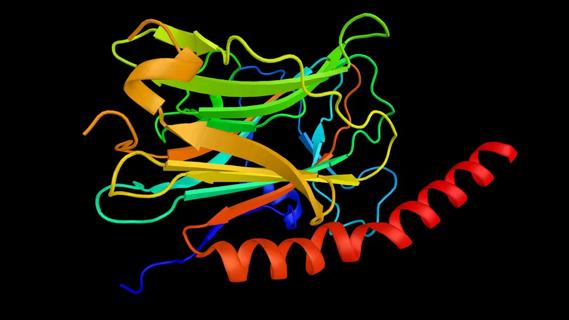
Phase 1 study found mutant calreticulin-specific monoclonal antibody brings promising results with no dose-limiting toxicities
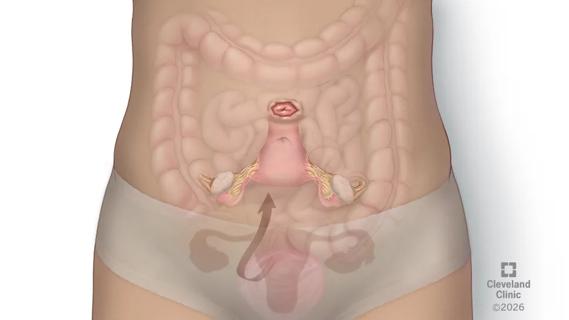
Uterine transposition cleared the field for radiation therapy

Growing need for addressing fertility concerns

Simple score uses clinical factors to identify patients who might benefit from earlier screening

Integrated care model reduces length of stay, improves outpatient pain management
Radiation therapy produces anti-inflammatory response
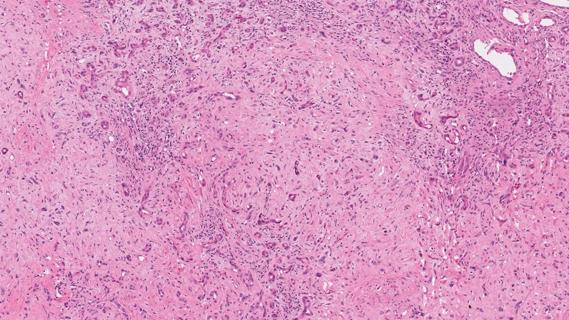
Patient receives liver transplant and a new lease on life
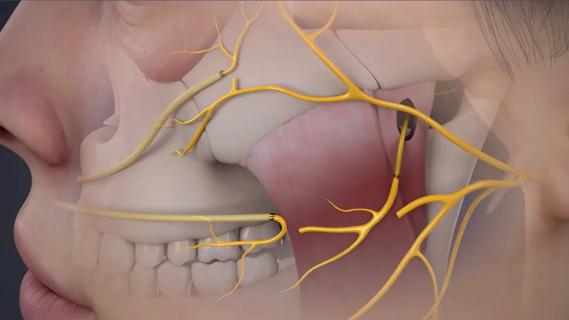
Novel approach begins reinnervation before tumor resection, preserving a young woman’s smile
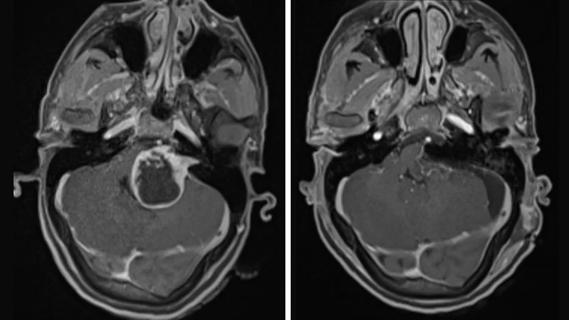
Patient with cerebral palsy undergoes life-saving tumor resection
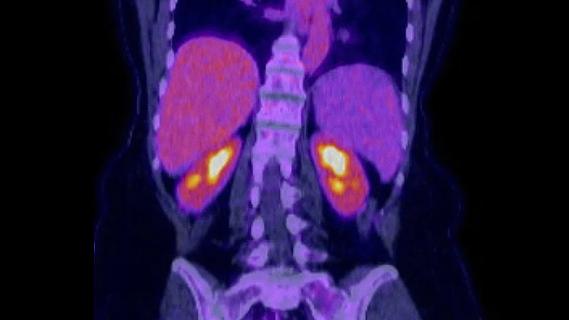
Patient with TP53 mutation achieves full response with targeted therapy
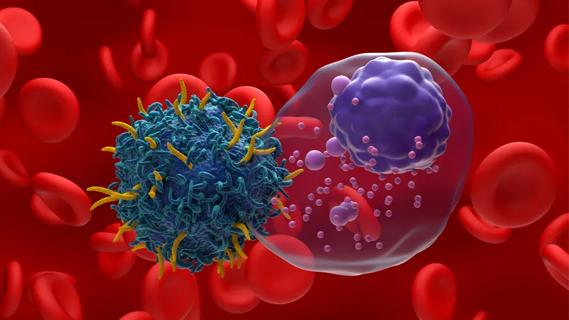
Patient with quadruple refractory multiple myeloma achieves complete response with cell therapy

A multi-pronged strategy for tackling cancer access problems

Psychosocial oncology offers a path forward

National Blood Clot Alliance collaborates with faith-based organizations on first-of-its-kind church bus tour
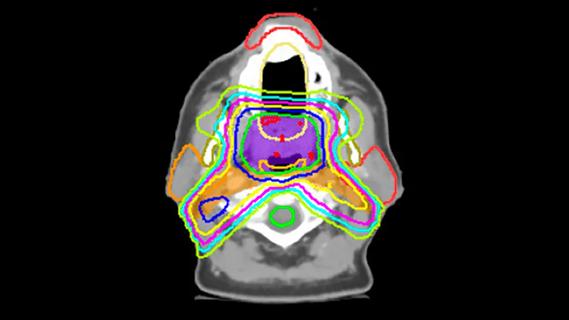
Program reduces major contour changes and variations in organ-at-risk dosing across health system

Best practices for reducing toxicities
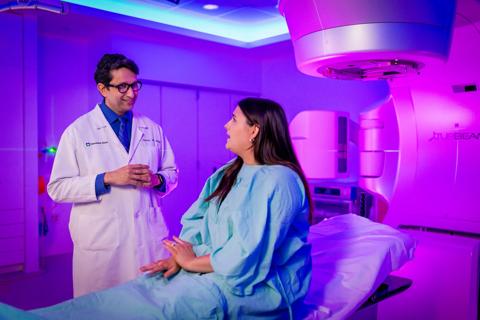
Ultra-Hypofractionated Whole Breast Irradiation and Partial Breast Irradiation Reduce Many Toxicities
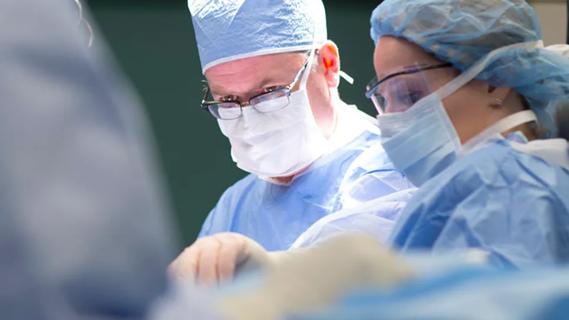
Reconsidering axillary lymph node dissection as well as depth of surgical margins

Cleveland Clinic, the University of Minnesota and University of Cambridge receive $1M grant to develop point-of-care biosensor for early detection and treatment personalization
AI histologic classifier reliably predicts clinical risk in men post-prostatectomy
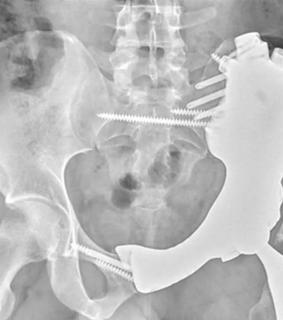
Personalized reconstruction is an alternative to leg amputation or flail limb

International study supports change in clinical care in post-neoadjuvant setting
Advertisement
Advertisement
 Search